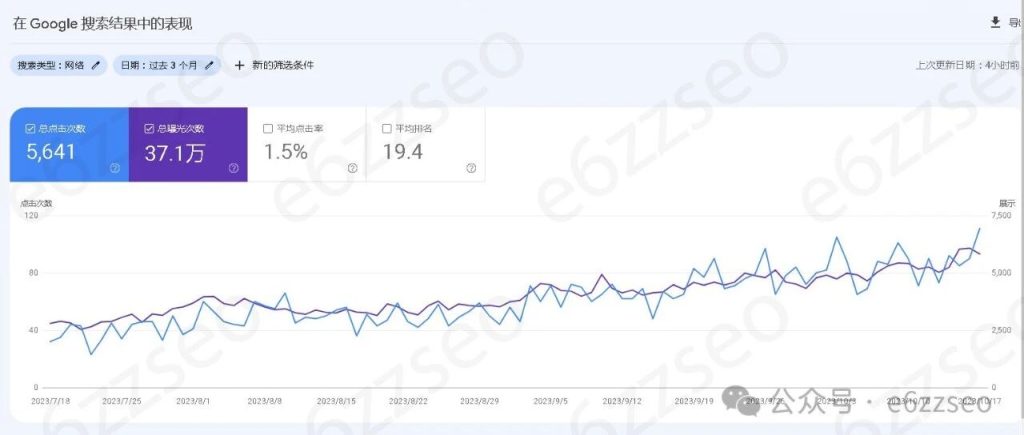
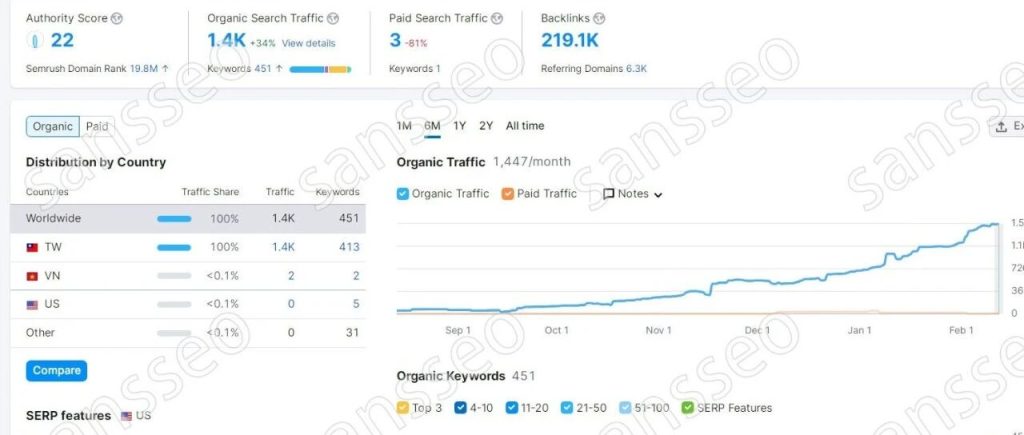
I’ve spent four years running a mid-sized online store, and I can tell you that most ecommerce seo advice out there is recycled content nobody actually implements. I learned this the expensive way, watching organic traffic bleed out month after month while the “strategy” was the same bullet-list every SEO blog posts. What works in practice is narrow: get the technical foundation right, target the long-tail product queries your buyers type, and keep refreshing what’s already ranking. The gap between position 4 and position 1 is almost always operational, not strategic.
How ecommerce seo differs from regular seo
Blog content sites can rank on topical authority and E-E-A-T signals. A product site lives and dies on category pages, structured schema, and internal link architecture. If your URL structure is a mess, a proper [整站谷歌SEO|https://www.sansseo.com/quan-zhan-seo] audit will expose the gaps fast. Half your organic visibility evaporates before a single backlink ever lands.
I made this mistake in year two. Rebuilding the category tree took six weeks and a full site migration. Rankings recovered in about three months, but the dip cost us real money in paid ads. If you’re still in early stages, nail the information architecture from day one. A clean [独立站SEO建站|https://www.sansseo.com/du-li-zhan-jian-zhan] setup saves you months of patching later.
What ecommerce seo mistakes kill traffic
The biggest killer across every store I’ve consulted is stale product data feeding into on-page copy. You launch a campaign, rename products, tweak descriptions, and Google’s index keeps serving the old titles. For 5,000+ SKUs this compounds fast and quietly. We built an automated [谷歌SEO内容更新|https://www.sansseo.com/nei-rong-seo] pipeline that pushes title and meta changes to the index within 48 hours of any CMS update. That single fix pulled our category pages back up 12 positions on average.
Another silent one: ignoring [指定词谷歌SEO|https://www.sansseo.com/zhi-ding-seo] for your top 200 revenue-driving queries. Broad “ecommerce seo” work gets you page 3. Targeted, intent-matched optimization gets the transactional clicks that actually pay rent.
Nobody hands you a one-time fix. Ecommerce seo is a weekly loop: audit, fix, monitor, repeat. I track my top 1,200 keywords in a spreadsheet and flag anything dropping 5+ positions from its 30-day average. The [谷歌seo教程|https://www.sansseo.com/category/googleseo] section on fundamentals saves new store owners from reinventing the wheel. When the whole site needs a structural push, I reach out to a [谷歌seo排名优化服务|https://www.sansseo.com/services] partner. Before you spend a dollar, flip through real [案例|https://www.sansseo.com/case] studies in your niche so you know what’s actually achievable.